For people experiencing homelessness, getting mental health care can be difficult. Scheduling an appointment, finding transportation and paying for treatment can all stand in the way of receiving the help they need.
Atrium Health's Wellness Without Walls program is working to remove those barriers by bringing psychiatric care directly to people living on the streets of Charlotte.
Since launching in 2025, the program has enrolled 125 patients out of 147 referrals, helped 22 participants secure housing and provided medications at no cost to patients.
“Wellness Without Walls was created to meet people where they are and remove barriers that often prevent access to behavioral health care,” says Kate Rising, area vice president clinical services, Behavioral Health Service Line.
Through partnerships with local outreach organizations, Atrium Health psychiatrists visit encampments and other locations where people experiencing homelessness live. Their goal is to provide compassionate, accessible mental health care while building the trust and relationships that support long-term recovery.
Bringing mental health care directly to patients
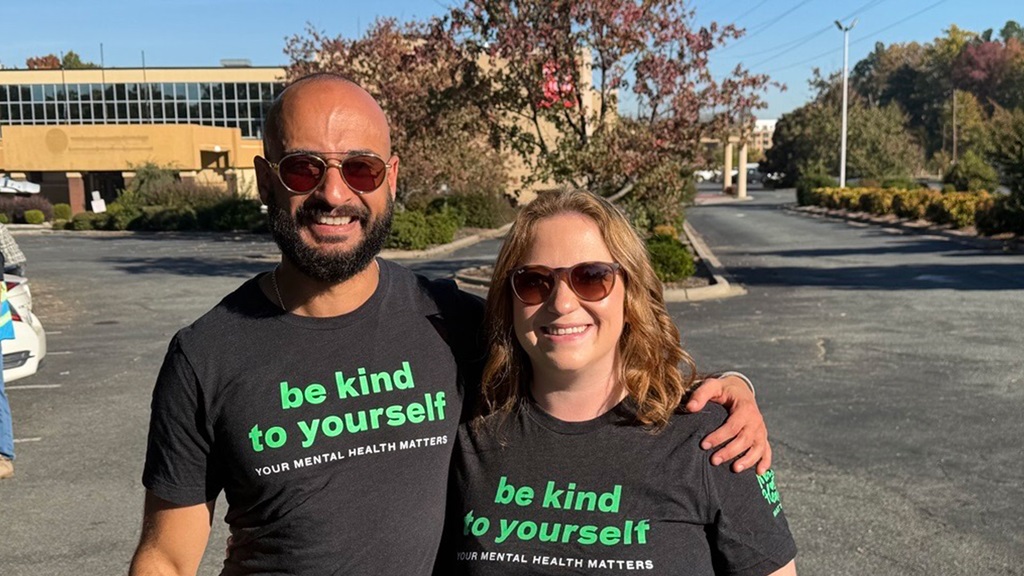
Dr. Afrayem "Fry" Morgan, an Atrium Health psychiatrist and addiction medicine physician, says caring for patients on the street looks very different from a traditional doctor's appointment.
“On the street, the burden of proving trustworthiness is on me because I’m the one seeking permission to establish a connection with the person, as opposed to the typical healthcare visit where the patient is the one seeking out the physician,” he says. “The visit happens anywhere in the shade or out of the rain. Gas stations, encampments in the woods, empty parking lots, you name it.”
Twice a week, the Wellness Without Walls team travels throughout the community to meet potential patients, complete psychiatric assessments and begin treatment, including medication when appropriate.
But providing care is only part of the work. Establishing relationships with patients who may have experienced trauma or struggled to access healthcare requires patience, consistency and compassion.
Community partnerships help patients stay connected to care
Wellness Without Walls relies on strong partnerships with organizations including Alliance Health, MedAssist, Roof Above, Hearts for the Invisible and A Home For All. Their outreach teams have established relationships with individuals experiencing homelessness and help identify patients who may benefit from psychiatric services.
“We're ‘with them,’ as far as the unhoused folks are concerned,” says Morgan. “Beyond that, my goal is to blend in, not stand out and apart. I wear street clothes. I talk like I would with my friends. And I listen as much as I can.”
These partnerships also help the team maintain contact with patients who may frequently move between locations, making consistent follow-up challenging.
“Our outreach partners play an invaluable role in helping us locate individuals, maintain engagement and support ongoing care,” says Rising. “Their commitment and relationship-building efforts have been instrumental in the program's success and our ability to provide continuity of care.”
While helping patients secure housing is an important goal, Rising emphasizes that progress takes many forms. For some patients, success means managing mental health symptoms, finding employment or reconnecting with loved ones. For others, it's developing enough trust to accept care.
“The enrollment and housing numbers demonstrate meaningful progress, but the true impact is reflected in the lives being changed and the hope being restored every day,” says Rising.
Expanding access with a new mobile care van
To reach more patients, Wellness Without Walls is preparing to introduce a new donor-funded Sprinter van.
The van will help the team travel more efficiently while providing a private, comfortable space for psychiatric assessments and treatment. It will also offer protection from rain, extreme temperatures and other weather conditions, allowing patients to receive care with greater privacy and dignity.
Over the next one to two years, the program also hopes to expand services from two to four days per week and increase access to medication management.
Another priority is helping patients stay connected to care. The team hopes to provide cell phones to individuals who lack reliable communication, making it easier to stay in touch with healthcare providers, outreach teams and housing resources.
“Our focus remains on increasing access, improving continuity of care and creating opportunities for long-term stability and recovery,” says Rising.
How the community can support Wellness Without Walls
Currently, referrals to Wellness Without Walls come primarily through street outreach partners. As the program grows, the team hopes to expand referrals through emergency departments and other healthcare settings.
Community organizations interested in supporting the program can help through outreach partnerships, identifying unmet needs and connecting individuals with available services.
For Morgan, some of the most meaningful moments aren't necessarily tied to medical treatment or major milestones.
“The experiences that stand out for me are the times patients have thanked me for listening after a casual, but sincere, conversation, before anything medical,” he says.
Those interactions reflect the heart of Wellness Without Walls: helping people feel seen, heard and supported while connecting them with the care they deserve.
“Working in Wellness Without Walls has solidified my conviction that psychiatric care and mental health are fundamentally about human connection, community and belonging, finding meaning, and human dignity long before being about diagnostic labels and medications,” says Morgan.
To learn more about Wellness Without Walls or to make a referral, email StreetPsych@Advocatehealth.org.
Related Posts

News
Wellness Without Walls: Atrium Health Brings Mental Health Care to Charlotte's Unhoused Community

News
A Perfect Match, A Brighter Future: Daxton’s Bone Marrow Transplant Journey
